

When we hear the word conflict, it often conjures up images of tension, discomfort, or disruption.
But what if conflict, when approached the right way, could actually be a catalyst for growth, creativity, and trust? This is the power of productive conflict—an often overlooked but essential ingredient in building truly high-performing teams.
Trust and Psychological Safety: The Foundation of Productive Conflict
Before a team can engage in healthy conflict, it needs a strong foundation of psychological safety and trust. Psychological safety, as defined by Harvard researcher Amy Edmondson, is the belief that it’s safe to take interpersonal risks—such as sharing a dissenting opinion, asking a question, or admitting a mistake—without fear of humiliation or retribution.
In other words, people need to feel secure in expressing themselves fully.
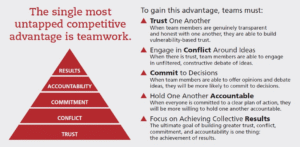
Patrick Lencioni, in his Five Behaviours of a Cohesive Team model, places Trust as the essential first behaviour, without which productive conflict cannot occur. When there is trust and psychological safety, teams engage in open, honest dialogue and embrace different perspectives without fear.
Why Productive Conflict is Critical
In the most successful teams, conflict is not only inevitable—it’s necessary. Without it, teams can fall into the trap of false harmony, where important ideas, concerns or perspectives are left unsaid. Healthy conflict challenges assumptions, drives better decision-making, and strengthens team commitment. Avoiding conflict might feel comfortable in the short term but can lead to poor outcomes and disengagement over time.
What’s Beneath the Surface: Shadow Behaviours and Unmet Needs
Conflict is rarely about the surface issue. Often, it is driven by shadow behaviours—those unconscious or defensive reactions we display when deeper emotional needs go unmet. For example:
- A colleague who withdraws during discussions may be grappling with a fear of rejection or judgement.
- Someone who dominates the conversation might be seeking control or recognition.
- Passive-aggressive comments could mask a desire to avoid direct confrontation while still expressing frustration.
These behaviours are often signals of unmet needs such as belonging, feeling valued, being respected, or wanting clarity. When teams can surface and address these deeper needs, they move from defensive to productive behaviours.
The Risks: How Conflict Becomes Unhealthy
Without trust, psychological safety, and an understanding of ourselves and others, conflict can easily tip into unhealthy territory. Here are five ways conflict becomes unhealthy when core emotional needs are ignored:
- Assumptions Replace Curiosity When we don’t ask what’s really going on for others, we fill in the blanks with assumptions—usually negative ones. This shuts down open dialogue and leads to misunderstanding.
- Emotions Hijack Logic If we feel emotionally unsafe or undervalued, our responses can become reactive rather than thoughtful, escalating conflict rather than resolving it.
- Withdrawal and Avoidance Some people may retreat entirely, avoiding difficult conversations to protect themselves, which results in unresolved tensions and diminished trust.
- Personalisation of Issues Without understanding each other’s drivers and fears, feedback can be taken personally, triggering defensiveness and eroding collaboration.
- Blame Culture Develops In the absence of psychological safety, people may protect themselves through blame and criticism, damaging morale and creating silos.
DISC and Productive Conflict: Understanding Styles
Each of us has a preferred way of engaging in conflict, shaped by our unique personality. The DISC Productive Conflict model helps us understand these tendencies:
- D (Dominance): Direct and assertive, often driving towards quick solutions. Under stress, they may become forceful or dismissive, yet they bring decisiveness and focus.
- i (Influence): Sociable and enthusiastic, preferring to maintain harmony. They may avoid conflict, but their energy fosters creative problem-solving.
- S (Steadiness): Calm and supportive, valuing stability and relationships. They may shy away from confrontation, yet they bring patience and empathy to the table.
- C (Conscientiousness): Analytical and detail-oriented, seeking accuracy and logic. They may withdraw or become overly critical under pressure but contribute clarity and objectivity.
By understanding your own style and recognising the styles of your teammates, you can begin to depersonalise conflict, adapt your approach, and move towards resolution with empathy and agility.
Building Agile EQ: The Key to Productive Conflict
Productive conflict isn’t simply about communication—it’s about emotional intelligence in action. Developing Agile EQ allows us to navigate challenging conversations with adaptability and grace. It starts with:
- Self-awareness – Knowing your own emotional triggers and recognising how your natural style might impact conflict situations.
- Awareness of others – Understanding how your teammates’ behaviours and conflict responses are linked to their emotional needs and DISC styles.
- Adapting your approach – Flexing your communication and conflict-handling style based on what the situation, and your team, require.
When teams build emotional agility, they become more resilient, collaborative, and effective. Whether it’s pausing to listen more deeply or having the courage to challenge respectfully, emotional intelligence is the superpower behind productive conflict.
The Business Case: From Conflict to Collaboration
When teams feel psychologically safe and trust one another, they can engage in productive conflict that strengthens relationships and sharpens results. The benefits include:
- Greater trust, because open and honest communication is the norm.
- Stronger commitment, as everyone feels that their voice matters.
- Higher levels of accountability, where peer-to-peer feedback is welcomed and respected.
- Better outcomes, because diverse perspectives are harnessed to make informed, robust decisions.
Final Reflection
Conflict is not the enemy of teamwork—unhealthy conflict is.
When approached with curiosity, emotional intelligence, and trust, conflict becomes an opportunity for growth, innovation, and stronger human connection.
So next time you sense conflict brewing, pause. Ask yourself: “Is there psychological safety here? How can I engage in a way that honours both my needs and those of others?” With this mindset, you can help your team turn conflict into a powerful force for cohesion and performance.
And when we get this right, everything becomes much easier.
The better it gets, the better it gets!
At Shine Executive, we love supporting organisations to create a high-performance culture by bringing out the best in their people. We can help your people succeed personally and professionally.
Our Neuroscience for Success, High Performing Teams, Sales Leadership and Psychological Safety workshops are here to help build cohesive, engaged, productive and effective teams.
We are here to help with speaking, consulting, training, conferences, coaching or offsite events and specialise in the following areas:
High Performing Teams | Leadership | Sales Training | EQ & Neuroscience | Financial Services Sales & Service | DISC Personality Profiles | Five Behaviours of Cohesive Teams | Positive Psychology | GROWTH Coaching | Executive Coaching
Our bespoke people and performance solutions are created to meet your unique business needs, time available and working environment – so if you have something that’s important to you why not Book your free 30 minute call now to discuss. We’d love to hear from you.
Ready for Sales & Service Excellence in your business? I can help you build YOUR Sales Playbook that will set your people up for success, scale your business and delight your customers. Visit www.shineexecutive.com.au/playbook to download your free excerpt and find out how to unlock your business’s potential.
Or contact us at naomi@shineexecutive.com.au or +61 423 936090.

Naomi Oyston has more than twenty years leadership experience within the Corporate, Financial and SME Business sectors. She has had extensive executive level success, with direct responsibility for leading Customer Service Excellence, Sales Performance, Performance Coaching, Organisational Culture, Productivity and Leadership capability within multiple major corporations.
Passionate, engaging and insightful, Naomi specialises in helping business leaders to create High Performing teams through a combination of mindset, toolkits and skills that are street proven to deliver results that matter.